Turning agricultural waste into innovative materials for smarter food packaging and longer-lasting fresh produce.
What if pomegranate waste could become part of a packaging material that helps preserve fresh produce? Or if compounds derived from rooibos could contribute to innovative coatings that extend the shelf life of strawberries?
At the University of Johannesburg’s Postharvest and Agroprocessing Research Centre (PARC), these possibilities are being explored through innovative research at the intersection of nanotechnology, sustainable materials and postharvest preservation.
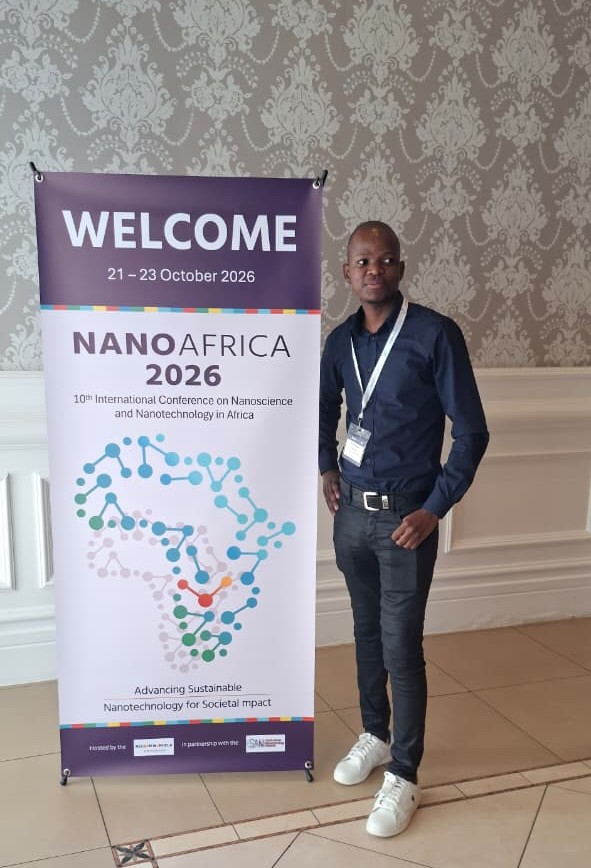
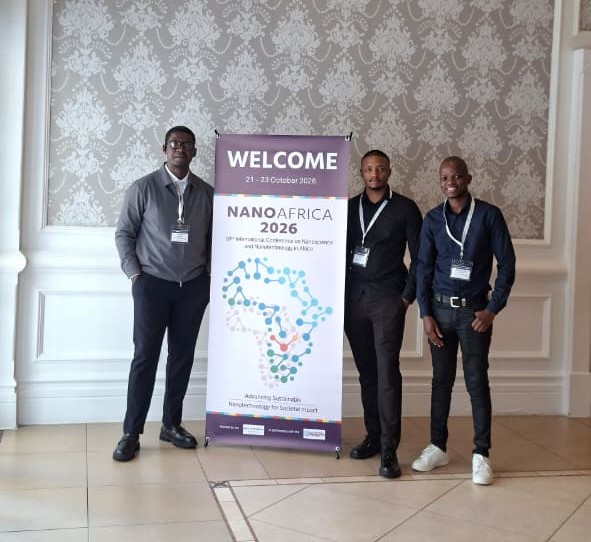
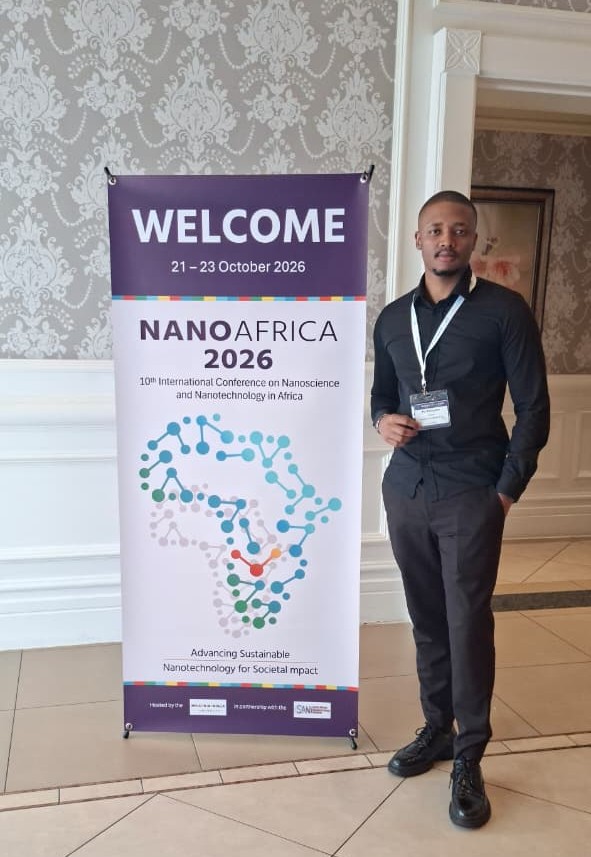
This research took centre stage at the 10th International Conference on Nanoscience and Nanotechnology in Africa (NANOAFRICA 2026), held in Gqeberha from 21–23 October 2026. Representing PARC and the University of Johannesburg were two PhD researchers, Mr Sibonelo Ngubane and Mr Tshiamo Leta, accompanied by their co-supervisor, Dr Jerry Adeyemi.
Turning agricultural waste into opportunities
For Sibonelo Ngubane, the focus was on transforming pomegranate waste into a valuable resource for advanced food packaging applications.
His presentation explored the development of silver nanoparticles using pomegranate waste, incorporating these into Opuntia ficus-indica-based nanobiocomposite films. The research investigates the potential of these materials for active packaging and extending the shelf life of avocados.
The work highlights an exciting possibility: agricultural by-products, often regarded as waste, can serve as valuable starting materials for developing functional packaging solutions.
Exploring new frontiers in nanocoatings
Tshiamo Leta presented complementary research investigating the potential of rooibos-derived carbon dots and zinc oxide nanoparticles incorporated into cassava-based nanocoatings.
His study explores how these innovative materials could contribute to strawberry preservation under simulated retail conditions. By combining naturally derived resources with engineered nanomaterials, the research investigates new approaches to maintaining produce quality and reducing postharvest deterioration.
Two researchers. Two innovative approaches. One shared ambition.
Although their research explores different materials and preservation technologies, both projects reflect PARC’s broader commitment to addressing postharvest challenges through sustainable scientific innovation.
Their participation at NANOAFRICA 2026 provided an opportunity to present emerging research, exchange ideas with fellow scientists and engage with developments in nanoscience and nanotechnology. Such platforms are essential for strengthening research networks, gaining new perspectives and positioning postgraduate research within wider scientific conversations.
Importantly, these engagements also reflect the value of investing in emerging researchers who are exploring how scientific discoveries can translate into practical applications for agriculture and the food industry.
At PARC, research goes beyond understanding the challenges facing fresh produce. It is about exploring innovative ways to reduce postharvest losses, create value from agricultural resources and develop technologies that contribute to more sustainable food systems.
Congratulations to Sibonelo Ngubane, Tshiamo Leta and Dr Jerry Adeyemi for representing PARC and the University of Johannesburg at NANOAFRICA 2026.
At PARC, we continue to explore the possibilities within every particle, every by-product and every harvest. Saving harvests, one innovation at a time.
- Date: 21-23 October 2026
- Location: Gqeberha, Eastern Cape