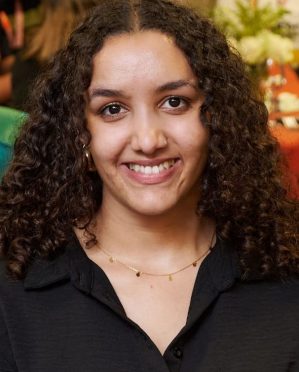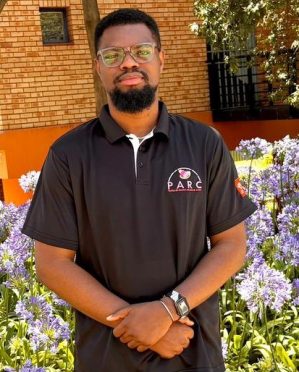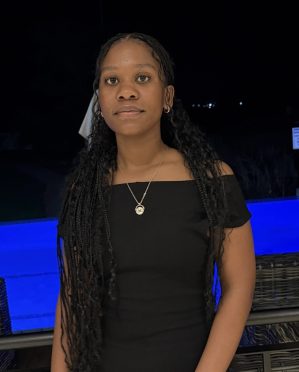
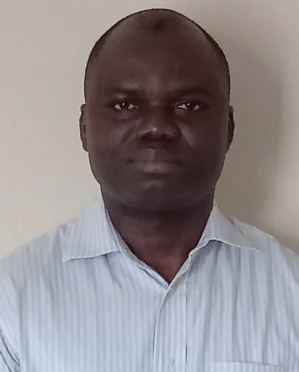
Name: Prof. Stephen O. Amoo
Thematic Areas: Medicinal Plant Research, Micropropagation, Plant Tissue Culture, Plant Physiology & Ethnopharmacology
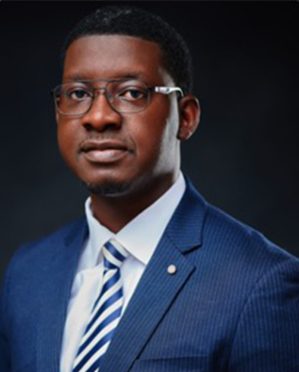
Name: Dr. Jerry Adeyemi
Thematic Areas: Postharvest Preservation, Valorization & Nanotechnology

Name: Dr. Tafadzwa Kaseke
Thematic Areas: Postharvest Preservation, Agroprocessing & Valorization

Name: Dr. Faith Seke
Thematic Areas: Postharvest Preservation, Agroprocessing & Valorization

Name: Dr. Yardjouma Silue
Thematic Areas: Postharvest Preservation, Agroprocessing, Valorization, Data Analytics & AI tools Applications
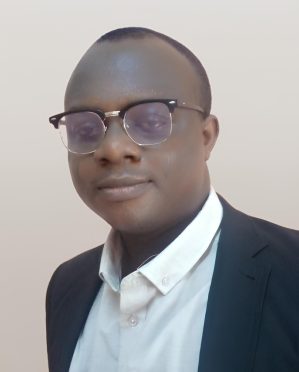
Name: Dr. Kabiru Jimoh
Thematic Areas: Postharvest Preservation, Agroprocessing, Valorization, Nondestructive Technologies, Computational Intelligence & Sustainability Assessments
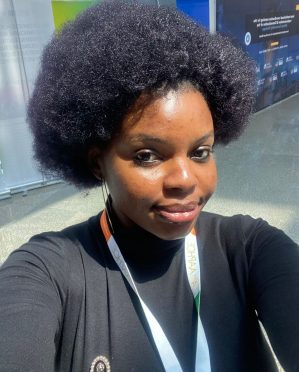
Name: Dr. Kasiemobi Chiagozie Ezeora
Thematic Areas: Postharvest Preservation, Agroprocessing, Valorization, Microbiology, Food Science & Metabolomics and Metagenomics.

Name: Dr. Mukhtar Abdulraheem
Thematic Areas: Postharvest Preservation, Agroprocessing, Valorization, Nanotechnology, Sensory Mechanism, Real-time Measurement & AI-driven agricultural technologies.
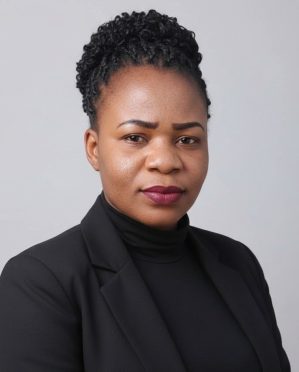
Name: Dr. Mercy Ogwuegbu
Thematic Areas: Postharvest Preservation, Valorization & Nanotechnology

Name: Dr. Lanrewaju Ibrahim Fajimi
Thematic Areas: Waste Valorization, Modelling and Simulation, Machine Learning, Techno-economic Analysis, Life Cycle Assessment, Metaheuristic Optimization

Name: Mr. Tshiamo Leta
Thematic Areas: Postharvest Preservation, Valorization & Nanotechnology

Name: Ms. Keamogela Nko
Thematic Area: Postharvest Preservation, Valorization & Nanotechnology
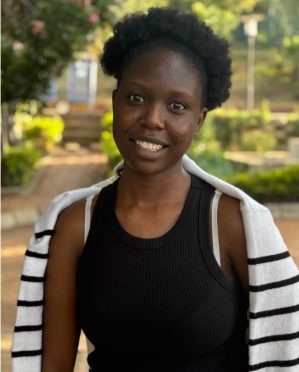
Name: Ms. Mandy Sibiya
Thematic Areas: Postharvest Preservation, Valorization & Nanotechnology

Name: Mr. Fanele Ndwandwe
Thematic Areas: Postharvest Preservation, Agroprocessing & Valorization

Name: Ms. Butshi Kerein Kibambe
Thematic Areas: Postharvest Preservation, Agroprocessing & Valorization

Name: Mr. Sphephelo Langa
Thematic Areas: Postharvest Preservation, Agroprocessing & Valorization
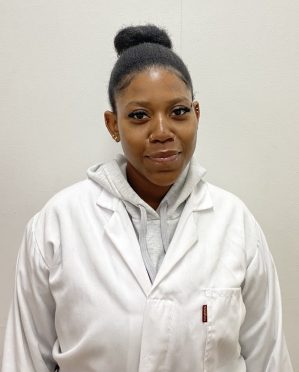
Name: Ms. Precious Sifanele Masinga
Thematic Areas: Postharvest Preservation, Agroprocessing & Valorization

Name: Mr. Dumisani Mdluli
Thematic Areas: Postharvest Preservation, Agroprocessing & Valorization
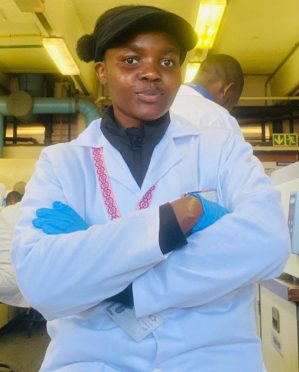
Name: Ms. Priscilla Shudufhadzo Matumba
Thematic Areas: Postharvest Preservation, Agroprocessing & Valorization


Bio: Professor Olaniyi Fawole is an internationally recognized leader in postharvest technology, agroprocessing, and agrowaste valorization. He is the Director and SARChI Chairholder at the Postharvest and Agroprocessing Research Centre (PARC) at the University of Johannesburg, where he leads groundbreaking research on sustainable postharvest food systems.His aspiration is to create a conducive environment where emerging researchers and postgraduate students can learn, be mentored, thrive, and develop clear career paths in agrifood systems. Under his leadership, PARC has become a hub for high-impact, industry-relevant research, attracting top-tier students and fostering collaborations that bridge science, industry, and policy. He has secured over R30 million in competitive research funding, including a £224K grant from the African Agriculture Knowledge Transfer Partnerships (AAKTP), supporting innovations in biopolymer-based edible coatings, hybrid dehydration techniques, and intelligent food packaging solutions.

Thematic Area: Medicinal Plant Research, Micropropagation, Plant Tissue Culture, Plant Physiology, Ethnopharmacology
Bio: Prof. Stephen O. Amoo is a plant scientist and researcher based at the Agricultural Research Council – Vegetables, Industrial and Medicinal Plants (ARC-VIMP) in Roodeplaat, Pretoria, under Medicinal Plants – Crop Development, with expertise in the propagation, cultivation and processing of indigenous medicinal plants.
His research is centred on the development, propagation, cultivation and processing of indigenous medicinal plants, with a broader research portfolio spanning medicinal plant science, plant biotechnology, phytochemistry, ethnobotany and the sustainable utilisation of plant resources.
Prof. Amoo’s research interests encompass plant growth regulators and phytohormones, indigenous plant use, micropropagation, secondary metabolite production, biological activities of plants, medicinal plants, plant tissue culture, ethnopharmacology, antimicrobial activity, ethnobotany, plant biotechnology, biostimulants and plant production. These areas reflect an interdisciplinary research approach that connects plant science with traditional knowledge, natural-product research, human health and sustainable agricultural production. He serves as an Editorial Board Member of the journal Plants, where these areas are listed among his scientific interests.
A significant component of Prof. Amoo’s work focuses on the scientific investigation and sustainable utilisation of South African medicinal and indigenous plants. His research has examined the phytochemical composition and biological activities of medicinal plants, including antimicrobial, antioxidant and enzyme-inhibitory properties. His work has also contributed to research on medicinal plants traditionally used in South Africa and the potential development and conservation of high-value indigenous plant resources.
Prof. Amoo has established research links with the Department of Botany and Plant Biotechnology at the University of Johannesburg (UJ). His publications have listed him with both ARC-VIMP and the University of Johannesburg, as well as with the Indigenous Knowledge Systems Centre at North-West University. His multidisciplinary collaborations demonstrate the importance of integrating plant biotechnology, indigenous knowledge, medicinal-plant research and natural-product science.
His publication record includes research on medicinal plant cultivation and commercialisation, plant tissue culture, phytochemicals, biological activities of plant extracts, indigenous medicinal plants, plant-based compounds and sustainable utilisation of plant resources. Among his contributions is research examining the cultivation of medicinal plants as a strategy for sustainable use and the commercialisation of high-value crops, highlighting the potential of medicinal plants to contribute to healthcare, rural development and economic opportunities.
Prof. Amoo has also contributed to research on African ginger (Siphonochilus aethiopicus), an important and endangered South African medicinal plant. His work in this area has addressed ethnomedicinal uses, biological activities, phytochemistry and conservation, contributing to the broader understanding of how commercially important medicinal plants can be conserved while supporting sustainable utilisation.
His research activities extend beyond medicinal plants into broader areas of plant production, horticulture and agroprocessing. Recent ARC-VIMP work lists Prof. Amoo as a contributor to research and scientific communication concerning the valorisation of agro-processing waste, demonstrating an interest in approaches aligned with sustainable resource utilisation and the circular economy.
More recently, Prof. Amoo has been involved in ARC-VIMP’s natural-product research and quality-control activities. The 2026 ARC-VIMP newsletter lists him among the contributors to work highlighting the ARC-VIMP Quality Control Facility’s research in advanced analytical chemistry, natural-product research, drug-discovery support and the development of standardised natural ingredients.
Through his research and collaborations, Prof. Amoo contributes to the advancement of medicinal plant science, indigenous plant utilisation, plant biotechnology and sustainable crop development in South Africa. His work brings together scientific research and the sustainable utilisation of indigenous biological resources, with relevance to medicinal-product development, conservation, agriculture, natural products and the broader bioeconomy. His public Google Scholar profile records 5397 citations, an h-index of 43 and an i10-index of 104 as of the 24th of August 2026.
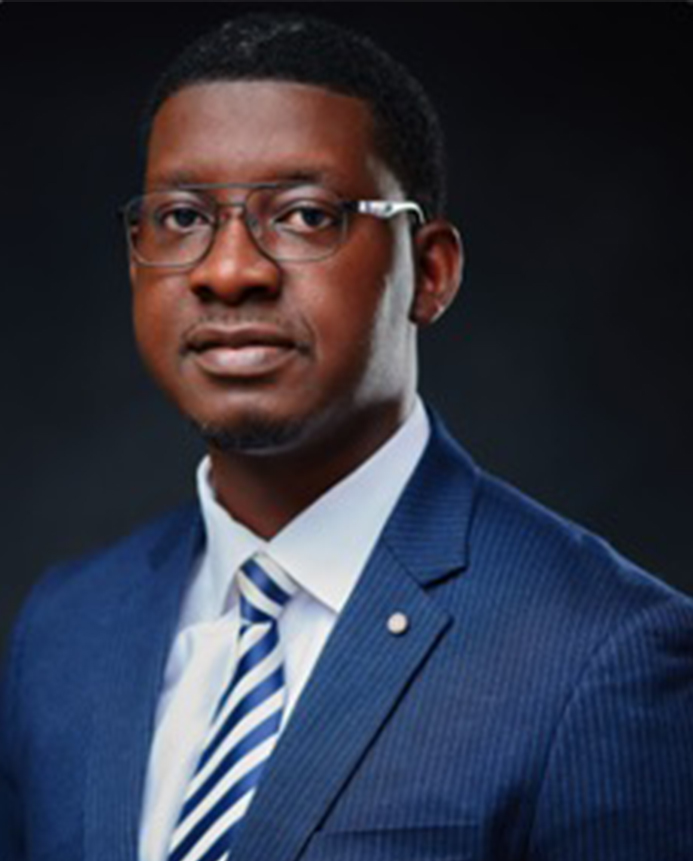
Thematic Area: Postharvest Preservation, Valorization, Nanotechnology
Bio: Dr. Oluwasegun Jerry Adeyemi is a Senior Research Lecturer at the University of Johannesburg, working at the forefront of nanotechnology, sustainable materials, and food preservation. His research focuses on the green synthesis of functional nanoparticles and their integration into natural biopolymers derived from agricultural waste for applications in antimicrobial systems, active food packaging, postharvest crop management, and environmental remediation. His work is driven by the development of sustainable technologies that enhance food quality, reduce postharvest losses, and support circular bioeconomy solutions.Recognized in 2024 as an NRF Y2-rated researcher, Dr. Adeyemi’s scholarship reflects a strong interdisciplinary blend of chemistry, materials science, and sustainability. In addition to his research contributions, he is actively involved in postgraduate supervision and the mentorship of emerging scientists within the University of Johannesburg. As of April 11, 2026, his public Google Scholar profile records 1,901 citations, an h-index of 22, and an i10-index of 38.

Thematic Area: Postharvest Preservation, Processing, Valorization
Bio: Dr. Tafadzwa Kaseke, a Zimbabwean by origin, is an academic researcher who holds a PhD degree in Food Science, awarded by Stellenbosch University in South Africa in 2021. He joined the research team because he believed it was the right place to develop his research career. Dr Kaseke’s research areas of interest include novel food contaminants such as microplastics, edible coating development and application, microencapsulation of food antioxidants from products and co-products, food product shelf-life modelling, optimization studies, drying kinetics, and in vitro simulated digestion of nutrients. Dr. Kaseke has published over 30 articles in international peer-reviewed journals, and his research work has been recognized with an h-index of 12 and received more than 380 citations, according to Google Scholar. He collaborates with researchers from various institutions worldwide, and his research work has been presented at various international conferences.

Thematic Area: Postharvest Preservation, Processing, Valorization
Bio: Dr. Faith Seke is a food scientist currently a postdoctoral fellow at the University of Johannesburg. With a strong foundation in food chemistry, microbiology, phytochemistry, postharvest technology, and quantitative analysis, she is committed to advancing the understanding of the intricate interactions between food and human health. Her academic and professional journey has equipped her with expertise in product development, research methodologies, and project management. Dr. Seke has demonstrated exceptional problem-solving skills and effective communication, contributing to successful outcomes in various research initiatives. Her technical proficiency includes natural compound isolation and characterization using advanced techniques such as HPLC-MS and GC-MS. She is familiar with in vitro digestion models, UPLC-QTOF-MS, and other analytical platforms. Dr. Seke has actively trained and guided undergraduate and graduate students, fostering the next generation of scientists. According to Google Scholar, she has published 19 articles, has an h-index of 4, and has received 110 citations. With a proven track record of publications and conference presentations, she continuously seeks opportunities for learning and collaboration, aiming to be a dynamic team player in the evolving field of food science.
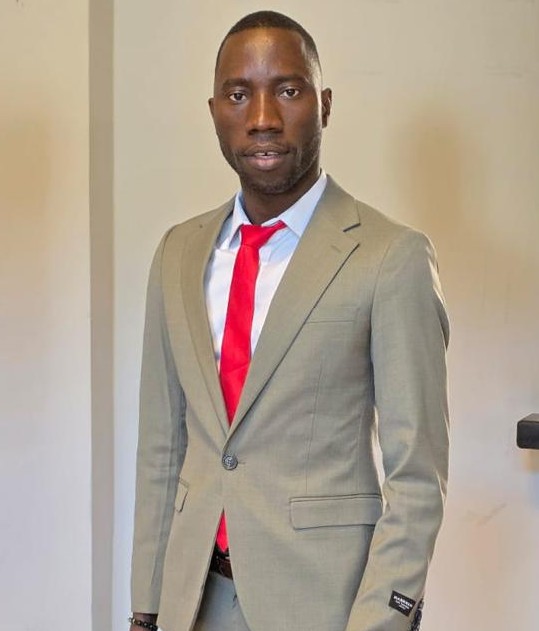
Thematic Area: Preservation, Processing, Valorization, Data analysis and AI tools applications
Bio: Dr. Yardjouma Silue is originated from Côte d’Ivoire. He got his PhD in agricultural sciences (2022) at Avignon Université, Avignon, France. As a dedicated researcher, he is passionate about Enhancing the Shelf-life and quality of Fresh produce, minimizing postharvest losses, and maximizing the value of agricultural products through sustainable methods and data-driven approaches. He has a strong background in Data analysis and Machine Learning (ML) and Deep Learning applications. I leverage statistical tools and ML algorithms to derive meaningful and actionable insights from complex datasets enabling informed decision-making and process optimization. His core skills include post-harvest technology, Sustainable agricultural practices, Food preservation and waste valorization, Experimental design and data collection, Statistical analysis and Machine Learning, and Programming (R, Python).

Thematic Area: Postharvest preservation, Agroprocessing & Valorization, Nondestructive technologies, Computational Intelligence, Sustainability Assessments
Bio: Dr. Kabiru Ayobami Jimoh is a dedicated researcher with a PhD in Agricultural Process Engineering from Universiti Putra Malaysia, Serdang, Malaysia. He is passionate about computer vision systems (CVS), nondestructive technology (NDT), computational intelligence modeling (CIM), and sustainability assessments. He has a strong background in advanced data analytics and sustainability evaluation through techno-economic analysis (TEA) and life cycle assessment (LCA). Dr. Jimoh is proficient in over 15 software tools across statistical, computational, simulation, and programming domains. His research work integrates multidisciplinary expertise in CVS, NDT, CIM, TEA, and LCA to address challenges in postharvest preservation, agroprocessing systems, and valorization of agricultural byproducts. Through his research, he aims to enhance the safety, security, and sustainability of the production, preservation, processing, and value addition of horticultural, food, and medicinal crops. According to Google Scholar, Dr. Jimoh has an H-index of 5 with 19 publications and 145 citations.

Thematic Area: Postharvest Preservation, Agroprocessing, Valorization, Microbiology, Food Science, Metabolomics and Metagenomics.
Bio: Dr. Kasiemobi Chiagozie Ezeora is a Food Scientist whose research focuses on agroprocessing innovations and value-addition strategies aimed at reducing postharvest losses while enhancing product quality and nutritional value. She obtained her PhD in Food Science from Stellenbosch University, South Africa, in 2025. With a strong foundation in microbiology, food science, and postharvest technology, as well as advanced expertise in metabolomics and metagenomics, Dr Ezeora applies an interdisciplinary approach to tackling food loss and waste. Her research integrates microbial ecology, fermentation technologies, and metabolite profiling to advance sustainable food processing and functional beverage production. At the Postharvest and Agroprocessing Research Centre (PARC), University of Johannesburg, her work focuses on leveraging microbial and molecular tools to develop innovative postharvest solutions that extend shelf life, enhance food safety, and promote circular bioeconomy principles. Dr Ezeora is also the holder of a provisional international patent for a novel pomegranate wine production process, reflecting her dedication to translating scientific research into innovative, market-driven technologies. Through her research, she aims to bridge science and innovation for a resilient and sustainable African food system.

Thematic Area:
Postharvest Preservation, Agroprocessing & Valorization, Nanotechnology, Sensory Mechanism, Real-time Measurement, and AI-driven agricultural technologies.
Bio:
Dr. Mukhtar Iderawumi Abdulraheem is a Postdoctoral Research Fellow at the Postharvest and Agroprocessing Research Centre, University of Johannesburg. He earned his PhD in Agricultural Engineering from Henan Agricultural University, China, where his doctoral research focused on the real-time monitoring of soil physical properties using advanced Fiber Bragg Grating (FBG) sensors. His research sits at the nexus of smart agriculture, agriTech, materials science, and postharvest technology. Dr. Abdulraheem is dedicated to developing and integrating novel sensing mechanisms and nanotechnology-driven solutions to enhance food preservation, optimize agroprocessing, and valorize agricultural by-products. His work extends to real-time measurement systems for smart farming applications, including crops environments, with a strong foundation in agronomy, soil fertility and plant nutrition. Dr. Abdulraheem has established a strong scholarly footprint, with over 50 peer-reviewed publications in high-impact international journals, including Food and Bioprocess Technology (IF: 5.8), Computers and Electronics in Agriculture (IF: 7.7), Scientific Reports (IF: 3.9), Remote Sensing (IF: 5.0), Plants (IF: 4.1), Food Biophysics (IF: 3.2), Agriculture (IF: 3.6), Optics & Later Technology (IF: 5.0), Sustainability (IF: 3.3) and Polymer Bulletin (IF: 4.0). His work has garnered significant recognition within the scientific community, amassing over 1,375 citations with an h-index of 16 and an i10-index of 39 (Google Scholar, March 31, 2026) and counting. He also serves as a guest editor for several international journals and is an active peer reviewer for over 30 leading Elsevier, Springer, MDPI, Frontiers, PeerJ, Taylor & Francis, IOS Press Journal, and Wiley publications.

Thematic Area: Postharvest Preservation, Valorization & Nanotechnology
Bio: Dr. Mercy C. Ogwuegbu is a distinguished sustainable animal nutritionist whose research seamlessly integrates principles of animal nutrition, feed biotechnology, nanotechnology, and food safety systems. Hailing from Nigeria, she earned her PhD in Animal Science from the University of Nigeria, Nsukka.
Her scholarly contributions center on the development of innovative functional feed additives such as phytogenics, organic acids, probiotics, and nano-mineral formulations, designed to optimize nutrient utilization, bolster oxidative stability, enhanced immune function, promote gut health, and improve overall meat quality in poultry production systems. Dr. Ogwuegbu possesses specialized expertise in the eco-friendly synthesis and detailed characterization of metal oxide nanoparticles using plant-derived extracts. These nanomaterials find valuable applications as antimicrobial agents, antioxidant, and advanced feed supplements.
In recent years, her research has broadened into the realm of circular bioeconomy strategies. Notably, she explores the creation of nanoparticles-based edible coatings sourced from agricultural by-products, which extends the shelf-life of perishable fruits and vegetables. This interdisciplinary work elegantly bridges animal nutrition, nanoscience, and post-harvest preservation technologies, reflecting a commitment to sustainable resource utilization across agricultural value chains.
Dr. Ogwuegbu maintains a robust publication record in reputable international peer-reviewed journals, encompassing topics in poultry nutrition, phytogenic feed additives, nano-enabled antimicrobial platforms, and the valorization of agricultural waste for sustainable purposes. As reflected on Google Scholar, her work has garnered an h-index of 8, with approximately 186 citations and over 30 publications to date, underscoring the growing impact and relevance of her contributions to the field. Through her innovative and environmentally conscious approach, Dr. Ogwuegbu continues to advance solutions that address pressing challenges in food security, animal health, and sustainable agriculture.

Thematic Area: Waste Valorization, Modelling and Simulation, Machine Learning, Techno-economic Analysis, Life Cycle Assessment & Metaheuristic Optimization
Bio: Dr. Lanrewaju Ibrahim Fajimi is a dedicated researcher with a PhD in Chemical Engineering at the University of Johannesburg, South Africa. His research integrates multidisciplinary expertise in process systems engineering, TEA, LCA, machine learning, and resource recovery to address challenges in sustainable waste-to-value pathways and circular resource utilization. He also contributes to postharvest and agroprocessing research through the assessment of the economic and environmental performance of sustainable processing systems. Through his research, Dr. Fajimi aims to develop innovative, scalable, and environmentally sustainable technologies for resource recovery, renewable energy production, and value-added materials. He has received several academic awards including the University of Johannesburg Faculty Award for Top Doctoral Students (1st Runner-up, 2024) and an Erasmus+ Student Exchange Fellowship at Politecnico di Torino, Italy. His research profile currently has an H-index of 8, 20+ peer-reviewed publications with over 340 citations.

Thematic Area: Preservation, Valorization, Nanotechnology
Bio: Tshiamo Bothlale Leta, from Atteridgeville, Pretoria, holds an MSc in Botany with distinction, specializing in nanoscience and food packaging materials. At PARC, Tshiamo oversees the coordination of specimen collections for postgraduate research. Skilled in synthesizing metal and metal oxide nanoparticles, Tshiamo collaborates with colleagues on assessing antioxidant, antimicrobial, and antifungal properties, supported by experience in surface characterization techniques, including UV-vis spectrophotometry, X-ray diffraction, and electron microscopy. With five publications to date, Tshiamo is adept at conducting literature reviews, designing experiments, and disseminating research findings. Drawn to PARC for its leadership in advancing nanoparticle-based technologies and its focus on sustainable innovation, Tshiamo is committed to furthering economic and industrial advancements within this dynamic field.
Thesis Title: Green synthesis of carbon dots and zinc oxide nanoparticles and the integration of machine learning for enhanced food safety and preservation.
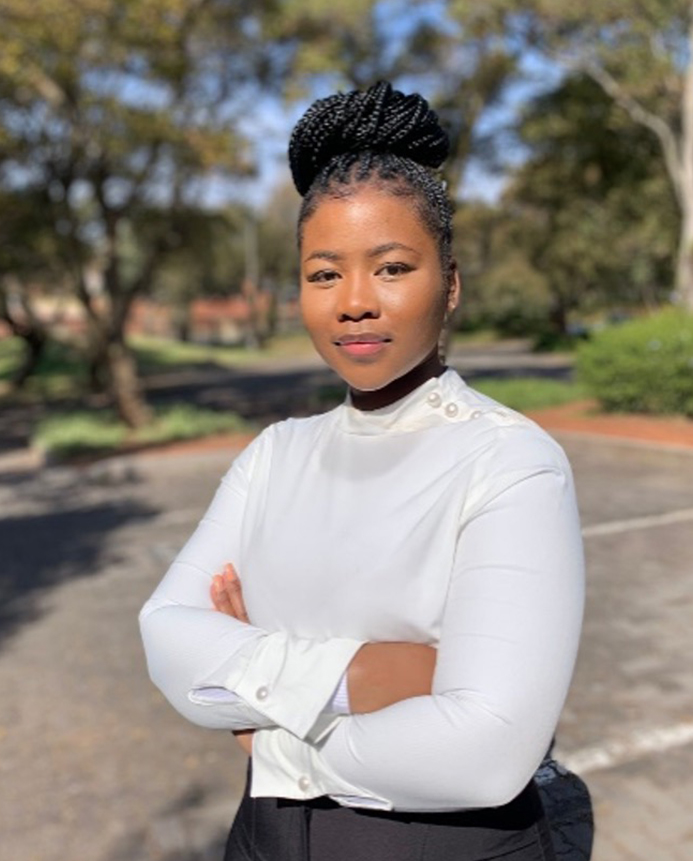
Thematic Area: Valorization and Food Packaging
Bio: Zobabalo Mina, originally from Bizana, Eastern Cape, is a PhD Candidate specializing in Sustainable Postharvest Technologies with a focus on Agroprocessing and Post-Harvest Physiology. With a Bachelor’s, Honours, and Master’s degree in Botany from the University of Johannesburg, Zobabalo’s research centres on developing protocols to reduce food waste and enhance the preservation of horticultural crops. Committed to advancing food security and agroprocessing practices, Zobabalo fosters strong academia-industry collaborations to drive innovation in these fields. Having joined the research team during her Honours, Zobabalo values its alignment with her career aspirations, supportive research growth, and professional development environment.
Thesis Title: Development of sustainable food packaging from rooibos leaf spent: extraction optimization, encapsulation, techno-economic assessment, and applications in postharvest preservation.
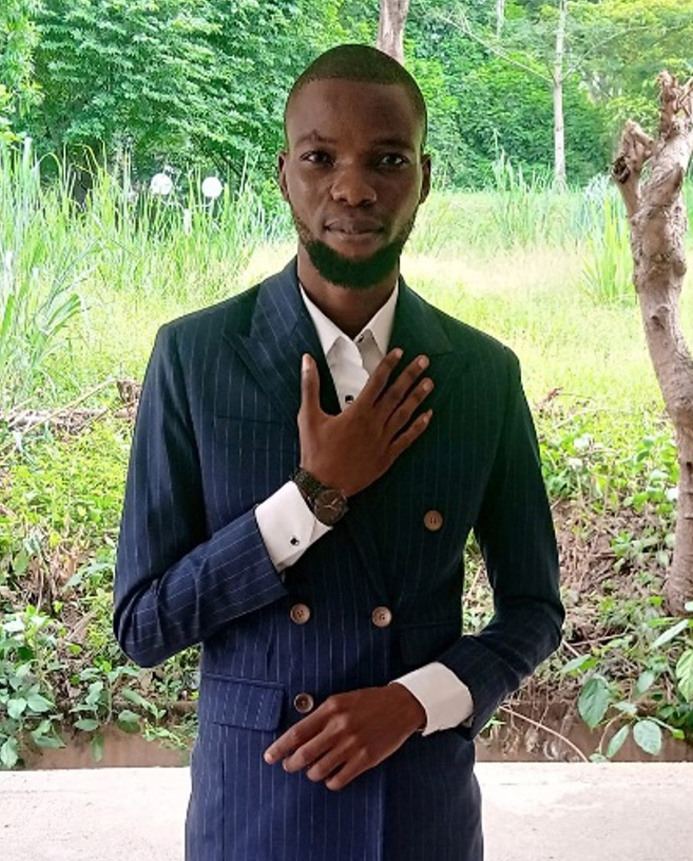
Thematic Area: Valorization and Postharvest Preservation
Bio: Yusuf Ola Mukaila is a dedicated researcher at the Postharvest and Agroprocessing Research Centre (PARC), where he explores the transformative potential of plant resources in addressing modern-day challenges. With a strong background in botany and ethnobotany, Yusuf is passionate about interdisciplinary work that leverages plant-based innovations to solve contemporary issues. PARC’s blend of academic rigor and its dynamic, collaborative environment provides the ideal setting for Yusuf’s research, enabling him to contribute to impactful scientific discoveries. Under the mentorship of a visionary principal investigator, Yusuf values the opportunities for growth and engagement that PARC offers students and early-career researchers.
Thesis Title: Development of active packaging enhanced with essential oils from selected South African indigenous plants for postharvest preservation.
Thematic Area: Postharvest Preservation, Valorization and Nanotechnology
Bio: Sibonelo Ngubane, originally from Mtubatuba, KwaZulu-Natal, is an emerging researcher committed to reducing postharvest food losses and advancing global food security. With a BSc in Crop and Horticultural Science, a BSc Honours in Horticultural Science, and an MSc in Agricultural Science (Horticulture) from the University of KwaZulu-Natal, Sibonelo brings valuable experience in plant physiology and postharvest preservation to his current PhD research at the University of Johannesburg. Now part of the Postharvest and Agroprocessing Research Centre (PARC), Sibonelo is focused on exploring sustainable nanotechnology applications within food systems. Drawn to PARC’s commitment to research excellence and innovation, he aims to deepen his expertise and contribute to impactful, interdisciplinary research through collaboration with leading experts in the field.
Thesis Title: Green Synthesis, Application and Mode of Carbon Dots, TiO₂, and Carbon Dot-TiO₂ Nanocomposites in Postharvest Crop Preservation.

Thematic Area: Postharvest Preservation and Valorization
Bio: Tshamisane Mkhari, originally from Hammanskraal, joined the Postharvest Agro-processing Research Centre (PARC) team to pursue an Honours degree. Since then, she has developed expertise in postharvest physiology, plant biotechnology, and agro-processing, focusing on sustainable bioeconomy. Her Honours and Master’s research, culminating in a thesis on micro-encapsulation and active biofilm fabrication, which was completed in 2024 and explored innovative waste valorization techniques. Tshamisane was a demonstrator for Biology, Microbiology, and Botany 2B throughout her studies, later coordinating practical sessions for Botany 2B. Her contributions were recognized with multiple awards for best oral presentations, and she had the opportunity to present at both local and international conferences, including events in New Zealand. Her experience at PARC has been invaluable, equipping her with advanced research skills and hands-on laboratory experience while fostering a commitment to sustainable innovation in postharvest systems. Joining PARC has been pivotal in shaping her career path toward impactful, eco-driven solutions in food science and packaging.
Thesis Title: Utilizing beetroot waste for a sustainable food bioeconomy: micro-encapsulation of waste extract and fabrication of active and intelligent films.
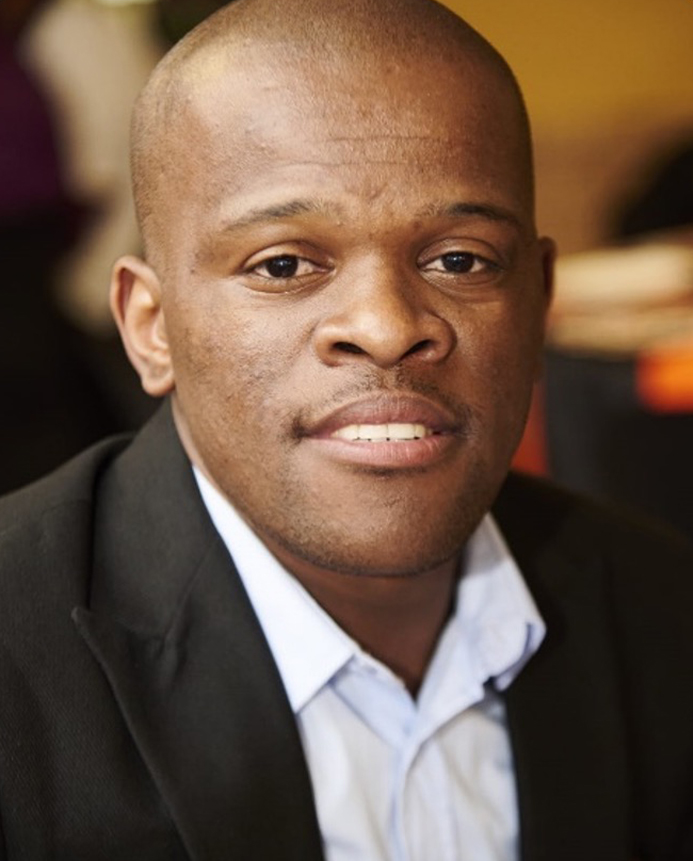
Thematic Area: Postharvest Preservation and Physiology
Bio: Mawande Shinga, originally from Umzumbe near Port Shepstone, is a dedicated researcher whose passion for agriculture was cultivated through subsistence farming with his family. This early experience inspired him to pursue formal studies, leading him to major in horticulture at the University of KwaZulu-Natal (UKZN). After earning his BSc (Hons), he completed a Master’s in Horticulture with a focus on postharvest technology, followed by valuable field experience as a research intern at the KZN Department of Agriculture and Rural Development. Mawande’s dedication to advancing agricultural research brought him to the Postharvest and Agroprocessing Research Centre (PARC), where he now engages in PhD studies under the guidance of an esteemed supervisor, contributing to innovative research in postharvest science.
Thesis Title: Formulation and optimization of Opuntia ficus-indica mucilage composite coating on quality attributes and cell wall integrity of bananas under retail conditions.

Thematic Area: Postharvest Preservation & Valorization
Bio: Muhammad Ayyub Muhammad is a dedicated and passionate researcher at the Postharvest and Agroprocessing Research Centre (PARC). With background in enzymology and molecular biology, Muhammad explores the valorisation potential of agro-wastes (fruit wastes) with respect specific enzymes purification and production of bioactive compounds focused on providing solutions to some of the most challenging human problems of modern day in accordance with Goal 12 of the Sustainable Development Goals (SDGs) incorporated into the 2030 Agenda encompasses the main objectives related to food waste, which involve halving the global amount of wasted food per capita through retail sales and consumption, as well as reducing food loss in the production and distribution process to ensure sustainable consumption and production pattern. PARC as a multinational Research center, under the leadership and mentorship of a visionary principal investigator provide Muhammad with all the necessary resources in becoming one of the best researchers in the world and also excelling in his scientific and research career.
Thesis Title: Sustainable production of enzymes and bioactive compounds from agro wastes and their industrial applications.

Thematic Area: Postharvest Preservation & Active Packaging
Bio: Neliswa Gcabashe, originally from Pietermaritzburg, KwaZulu-Natal whose passion for Postharvest Technology and Biology stems from growing in a disadvantaged background where food losses due to spoilage was tragic. This experience inspired her to pursue her Bachelor’s degree at the University of KwaZulu-Natal (UKZN) in Crop and Horticultural Science. She furthered her studies and pursued her Master’s degree in Agriculture where she focused in Postharvest Technology. After completing her Master’s degree, she gained valuable experience, as an intern at the South African National Biodiversity Institute (SANBI), hosted by Joburg City Parks and Zoo. Her dedication to Agricultural research brought her back and she joined the Postharvest Research Centre (PARC) where she is now pursuing her doctoral studies.
Thesis Title: Development of Essential Oils Enhanced Biopolymer Based Active Packaging.
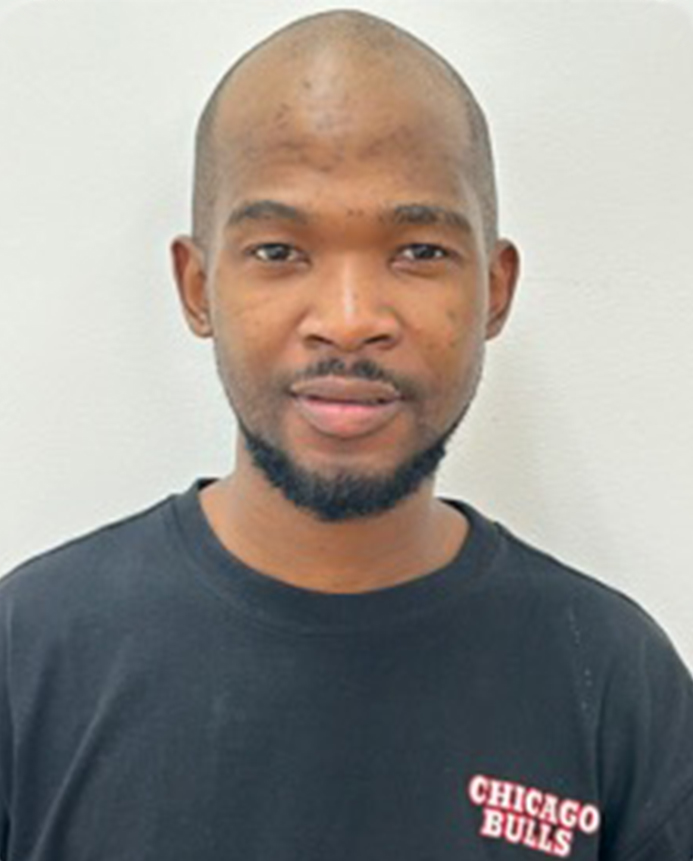
Thematic Area: Postharvest Preservation, Processing and Valorization
Bio: Originally from Scenery Park in East London, Sipho Tonisi embarked on an academic journey centered on Biochemistry, culminating in a Master’s degree that included published research contributing two papers to reputable journals. This achievement ignited his commitment to addressing real-world scientific challenges. After completing his studies, Sipho gained practical experience as a laboratory intern and assistant across industrial and research environments. This hands-on experience deepened his understanding of the interplay between research and industry and how it drives innovation and economic progress. Motivated to further contribute to impactful research, he pursued opportunities to advance his studies.
When the chance to pursue a PhD arose, Sipho was drawn to the Postharvest and Agroprocessing Research Centre (PARC) at the University of Johannesburg. He was inspired by Prof. Fawole’s dedication to fostering collaboration between research and industry, a vision that closely aligned with his career aspirations. Now, as part of PARC, Sipho appreciates being in an environment that supports emerging scientists in adding value through practical, industry-driven research aimed at tackling critical challenges facing the country.
Thesis Title: Development of Value-Added Dried Products from Opuntia ficus-indica Cladodes: Impact of Cultivar Selection, Harvest Maturity, and Drying Techniques for Sustainable Feed Applications.

Thematic Area: Postharvest Preservation & Valorization
Bio: Priscilla Livhuwane Mukwevho originally from Venda, Limpopo, is a PhD Candidate specializing in sustainable postharvest technologies with a focus on agroprocessing. Growing up in a place and family with a rich background of agriculture has had a profound impact on her career aspiration. This inspired her to pursue Botany as her major at the University of Johannesburg, successfully obtaining her bachelor’s, followed by her Bsc (Hons) with focus on the chemistry, antimicrobial activity and traditional use of medicinal plants.
Her growing interest and strong commitment in addressing food security through various postharvest technologies and agroprocessing practices inspired her to join the Postharvest and Agroprocessing Research Centre (PARC), in which she pursued her MSc in Botany focusing on the use of postharvest technology to reduce food losses.
Due to her main goal to contribute more to innovative research in the body of postharvest and agroprocessing, her desire to bring change in the food industry, her career aspiration, and the great impact played by the research centre in developing her skills as a scientist, the commendable interdisciplinary collaborations and professional networking fostered by the research centre, and her growing interest in bridging the gap between developing medicinal plant based probiotic functional product and addressing gut health challenges, Priscilla was inspired and fueled to pursue her PhD studies.
Thesis Title: Development of a functional probiotic baobab powder for gut health modulations.
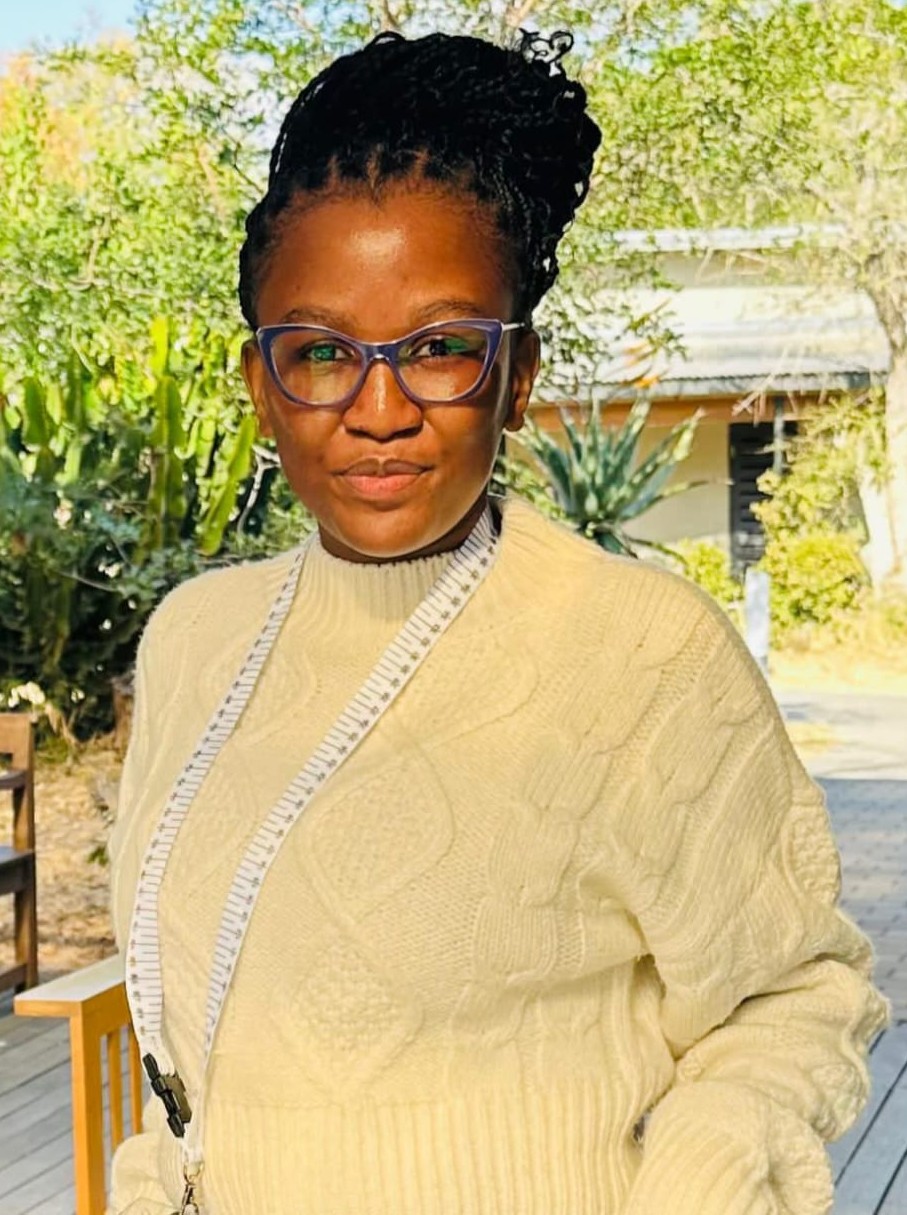
Thematic Area: Valorization
Bio: Tswelelopele Mpolokeng is a dedicated and passionate PhD candidate at the Postharvest and Agroprocessing Research Centre (PARC). With a strong academic background in Indigenous Knowledge Systems, ethnobotany, and ethnoveterinary medicine, her research focuses on the documentation, phytochemical characterization, biological evaluation, and formulation of bioactive ethnoveterinary plants used in livestock health management. Her work seeks to bridge indigenous knowledge with scientific validation to provide sustainable, culturally grounded solutions to livestock health challenges in rural communities. Through her research, she contributes to the preservation of indigenous knowledge systems, improved livestock productivity, and sustainable agricultural practices aligned with relevant Sustainable Development Goals (SDGs), particularly those related to food security, sustainable agriculture, and rural livelihoods. PARC, as a multidisciplinary and collaborative research centre, provides Tswelelopele with a supportive environment that fosters academic growth, community engagement, and the development of impactful research addressing real-world challenges.
Thesis Title: Phytochemical Characterization, Biological Evaluation, and Formulation of Bioactive Ethnoveterinary Plants Used in Livestock Health Management

Thematic Area: Postharvest Preservation, Valorization & Nanotechnology
Bio: Keamogela Innocentia Nko, originally from Mahikeng, North West, is a researcher specializing in Indigenous Knowledge Systems, ethnobotany, and sustainable food systems. She holds a Bachelor of Indigenous Knowledge Systems (B.IKS) degree and a Master’s degree with distinction from North-West University. Keamogela’s research centres on integrating indigenous knowledge with advanced scientific innovation, particularly the valorization of bioactive compounds from wild edible and medicinal plants. Her work explores the development of nanotechnology-enhanced, nature-based packaging films aimed at improving postharvest quality and extending the shelf-life of fresh horticultural and medicinal crops. Committed to reducing postharvest losses and promoting sustainable, eco-friendly technologies, she contributes to biodiversity conservation, local economic development, and the advancement of circular bioeconomy strategies within sustainable food systems.
Thesis Title:Valorizing bioactive compounds of wild edible plants for the development of nanotechnology-enhanced, nature-based packaging films to improve postharvest quality and shelf-life of fresh horticultural and medicinal crops

Thematic Area: Postharvest Preservation & Valorization
Bio:Confidence Nthimole from Roodepoort, Gauteng, is a PhD candidate at the University of Johannesburg. With a Bachelor’s Degree in Life and Environmental Sciences (Botany and Zoology), Honours and Masters in Botany.
Confidence’s research focuses on tackling post-harvest losses in food crops, with an emphasis on developing methods to reduce these losses, particularly through encapsulation techniques designed to extend shelf life. Her work has direct applications in the food industry and she has collaborated with industry partners. Confidence became part of the PARC team during her Honours studies, where she has made significant research contributions and has continually developed her skills and professional growth.

Thematic Area: Postharvest Preservation & Valorization
Bio: Thandokazi, originally from East London, is an MSc Botany student and an emerging researcher in Postharvest Preservation and Agroprocessing at the University of Johannesburg. Thandokazi holds a BSc Honours degree in Botany specializing in plant anatomy and physiology from the University of Forte Hare. Her love of science and botany ultimately led her down a path of tackling food insecurity through meaningful research. She was drawn to PARC by the quality of its research output and aspired to be in such an environment that aligned with her academic goals. Thandokazi hopes to utilize her interest in indigenous medicinal plant flora in creatively finding solution to the problem of food insecurity by improving postharvest preservation of food crops.
Thesis title: Bioactive Phenolic Extracts from Milletia grandis and Opuntia ficus-indica Pectin: Development and Evaluation of Edible Coatings for Extending Vegetable Shelf-life Under Varied Storage Conditions.
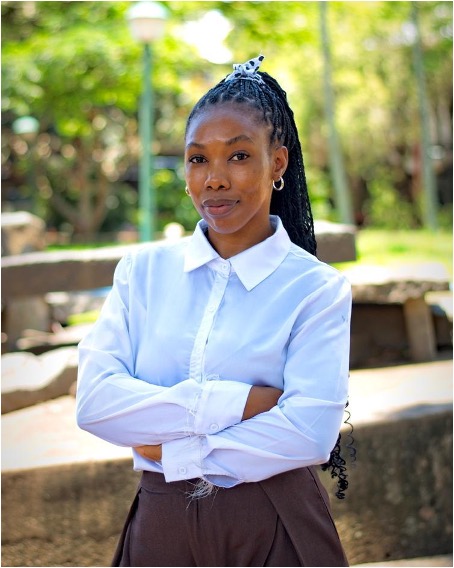
Thematic Area: Postharvest Preservation & Agroprocessing
Bio: Nonhlanhla Vezi, born and bred in Izingolweni on the scenic South Coast of Durban. She’s a masters student where her research explores developing innovative solutions for sustainable preservation techniques and value-added products. Building on her experience in higher education, Nonhlanhla have developed a strong foundation in good ethical behavior and sustainable agricultural practices. Previously, she served as a data quality controller at the University of KwaZulu-Natal and a scientific agricultural intern at Department of Science, Technology and Innovation. She holds a postgraduate diploma in sustainable agriculture from the university of the Free State.
Thesis Title: Sustainable development of niche dried pomegranate arils: Effects of ultrasonic pre-treatment and drying techniques.
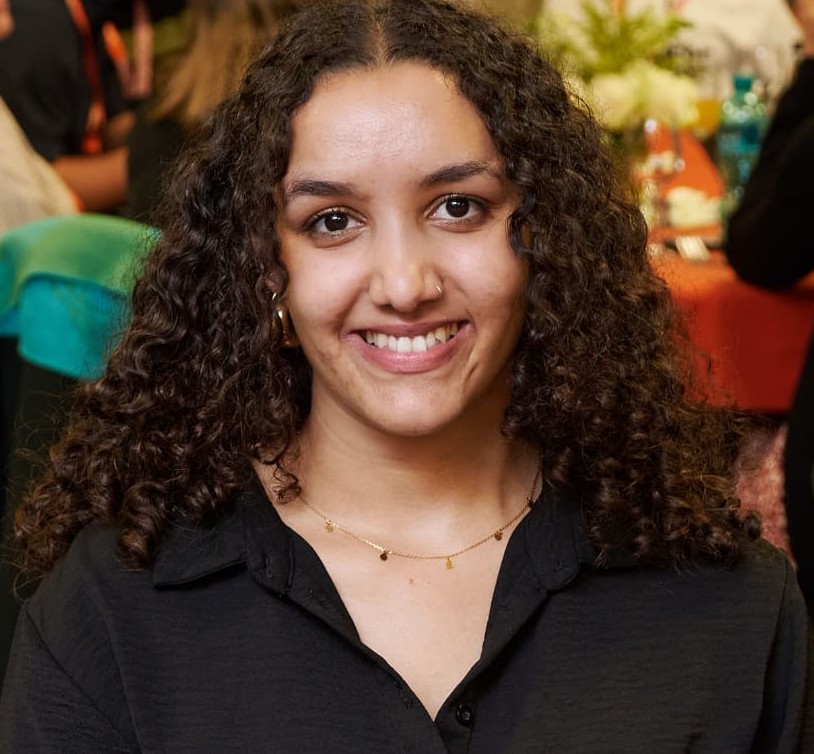
Thematic Area: Postharvest Preservation & Valorization
Bio: Fosia Ghedi Alasow is a Master’s student with a strong foundation in botany, zoology, and human physiology. Her research interests lie at the intersection of plant biology, human health, and environmental sustainability, where she explores the potential of medicinal plants to promote well-being while advancing sustainable and regenerative agricultural practices. Fosia chose to join PARC for its hands-on approach and commitment to fostering innovative solutions to healthcare challenges. She values the core emphasis on integrating scientific inquiry with real-world impact. Through her research, she aspires to develop creative, evidence-based solutions that bridge traditional knowledge and modern science, contributing to meaningful advancements in both healthcare and agriculture.
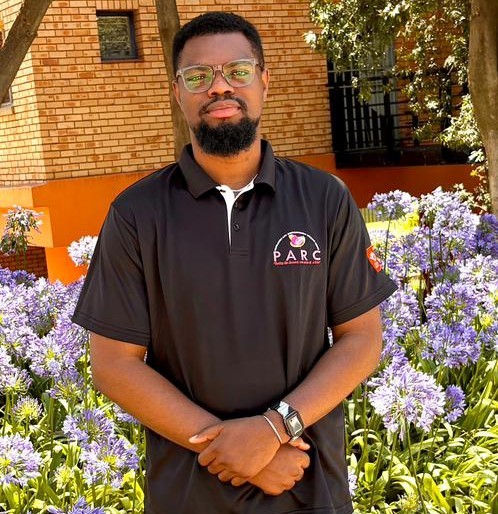
Thematic Area: Postharvest Preservation
Bio: Felix Adeola Muyiwa is an innovative botanist specializing in sustainable materials science and environmental applications. My project work focuses on developing sustainable alternatives to conventional plastic packaging using graphitic carbon-nitride nanosheets and mucilage derived from plant sources. His contributions lie at the intersection of plant science, material chemistry, and green technology, promoting environmental conservation and advancing the field of sustainable packaging. He chose PARC for its persistence to excellence and its emphasis in reducing global non-biodegradable materials.
Thesis title: The Fabrication of Eco-Friendly Films Using Graphitic Carbon-Nitride (g-C₃N₄) and Mucilage for Food Packaging.
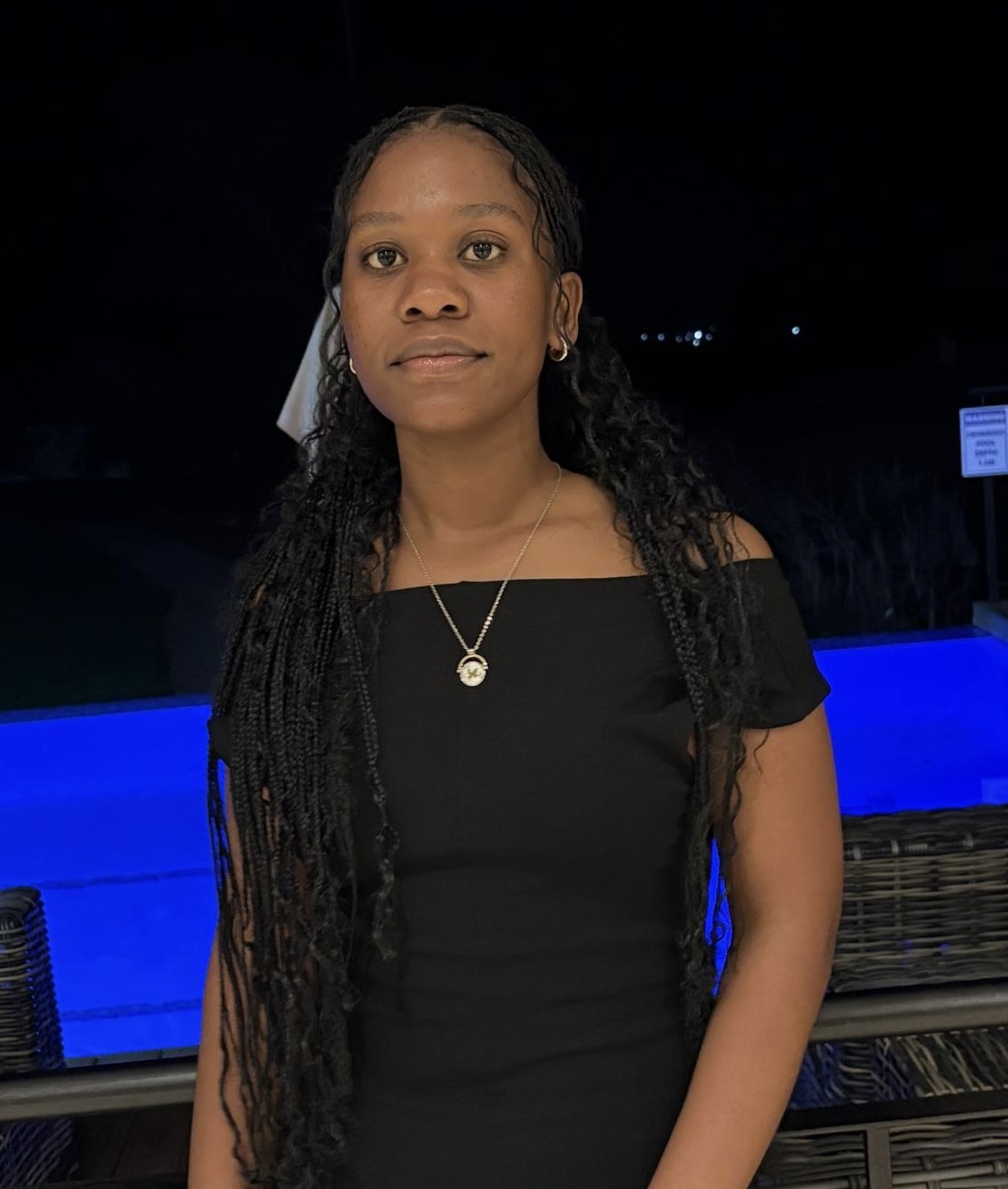
Thematic Area: Postharvest Preservation
Bio: Mahlatse Morena is originally from Motetema, a small town in Limpopo, where her curiosity about the natural world and plant life first began to take shape. She pursued her undergraduate studies in Botany and Plant Pathology at the University of the Free State, where she developed a strong foundation in plant biology, disease dynamics, and environmental interactions.
To bridge the gap between theory and practice, Mahlatse completed an internship with the Department of Agriculture, Land Reform and Rural Development, where she was placed within the inspection division and gained valuable hands-on experience in the agricultural sector. This exposure deepened her understanding of the challenges facing South African agriculture, particularly in relation to food quality, crop health, and supply chain systems.
Driven to further her academic growth, she pursued her Honours degree in Botany at the University of Johannesburg, where she refined her research skills and continued to develop as a scientist. She is currently a Master’s candidate affiliated with the Postharvest Agroprocessing Research Centre (PARC), where she works with horticultural crops and contributes to research addressing critical issues in postharvest management.
Mahlatse aspires to develop innovative, science-driven solutions that reduce postharvest losses, improve the quality and shelf life of horticultural crops, and promote sustainable food security across South Africa and the broader African continent.
Thesis Title: Formulation and optimisation of a multifunctional nanoemulsion to reduce postharvest physiological disorders and microbial decay in horticultural crops.
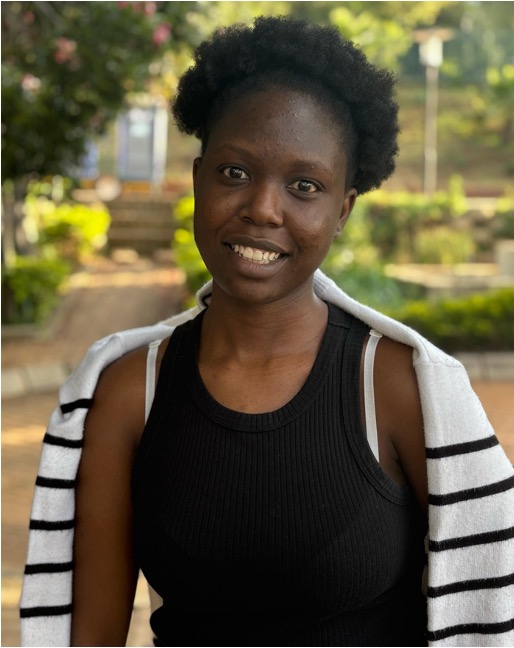
Thematic Area: Valorization, Nanotechnology
Bio: Mandy Olisor Sibiya, with a solid foundation in Biochemistry and Botany, brings hands-on laboratory expertise to her role as an Honours candidate in Botany. Her research focuses on valorizing pomegranate waste for the synthesis of silver nanoparticles, blending her plant science and biochemistry background with a commitment to sustainable and innovative agroprocessing solutions. Mandy chose to join PARC for its dedication to research excellence and its emphasis on equipping researchers with industry-relevant skills, aligning perfectly with her goal of making impactful contributions to the field.
Thesis Title: Upcycling pomegranate peel waste for the green synthesis of silver nanoparticles: Characterization and Biological applications.

Thematic Area: Postharvest preservation & Valorization
Bio: Born and bred in Newcastle, KZN, Kwanda is a Master’s candidate at the University of Johannesburg. He holds an Honours degree in Botany (2024) and specializes in plant science, phytochemical analysis, and sustainable agricultural practices. His passion for leveraging scientific innovation to solve real-world challenges led him to join PARC, where he collaborates with like-minded individuals dedicated to advancing the field.
Thesis Title: Development of Active Packaging Using Medicinal Plant Extract for Postharvest Preservation of Organic Pomegranate Fruit

Thematic Area: Postharvest Preservation & Valorization
Bio: Karabo Moshi is a Master of Science candidate within the Postharvest & Agroprocessing Research Centre (PARC) at the University of Johannesburg. His academic and research interests focus on sustainable food systems, industrial fermentation by-product valorization, and the development of innovative bio-based food applications.
His current research centers on transforming by-products from alcoholic fermentation industries into value-added functional food ingredients through green and sustainable extraction technologies. Through this work, he aims to promote resource efficiency and environmentally responsible food processing practices.
Karabo is passionate about advancing circular bioeconomy solutions and contributing to research that enhances food security, reduces waste, and supports sustainable innovation within the agroprocessing sector.
Thesis title: Valorization of Beer-Spent-Grain into sustainable activitie packaging material

Thematic Area: Preservation, Processing, Valorization
Bio: Makhado Pfano is originally from Thohoyandou in Limpopo and she holds an Honours degree in Botany with a specialization in Ecophysiology from the University of Venda. During her studies, she researched how Populus alba responds to various disturbances, gaining valuable insights into plant resilience to environmental stress and the vital role of plant science in enhancing food security and reducing postharvest losses. Makhado is now pursuing her master’s degree at the Postharvest and Agroprocessing Research Centre (PARC) at the University of Johannesburg. This opportunity allows her to apply her background in ecophysiology to create innovative solutions for food preservation, ultimately contributing to agricultural sustainability and ensuring a better future for food security.

Thematic Area: Postharvest Preservation & Valorization
Bio: Andile Hlongwa is a young and ambitious emerging scientist in the field of plant and environmental sciences. She obtained her Bachelor of Science in Life and Environmental Sciences, majoring in Botany and Chemistry, from the University of Johannesburg. She is currently pursuing her BSc Honours in Botany under PARC, where she continues to deepen her expertise in plant-based innovation and sustainable scientific solutions.
Her research focuses on sustainable strategies to reduce food spoilage and improve food security within the thematic area of postharvest preservation. Her current study explores the use of indigenous South African flora as natural sources of oxidation-sensitive pigments and polyphenols for intelligent food packaging applications, contributing to environmentally responsible and innovative preservation technologies. Driven by her strong value for education and scientific impact, Andile is passionate about developing research that bridges indigenous knowledge, environmental sustainability, and modern technological advancement.
Project title: From Indigenous Flora to Intelligent Food Packaging: Developing Oxidation-Responsive Biopolymer Films.

Thematic Area: Postharvest Preservation & Valorization
Bio: Keabetswe Raborife is an Honours candidate in Botany at the University of Johannesburg. She completed her undergraduate studies at the North-West University, where she majored in Botany and Chemistry. Her academic interests focus on sustainability and the application of advanced scientific methods to develop practical, environmentally responsible agricultural solutions. Her research focuses on upcycling pomegranate peel into plant-based biostimulants, developing low-impact technologies that enhance crop productivity while supporting sustainable food systems.
Project title: ATR-FTIR and Machine Learning-assisted profiling of pomegranate peel-based biostimulant and its use as a natural enhancer of lettuce germination.

Thematic Area: Postharvest Preservation & Valorization
Bio: Lesego Ndhlovu is an Honours student in Botany at the University of Johannesburg and is affiliated with the Postharvest Agroprocessing Research Centre (PARC). Her academic interests lie at the intersection of plant science, microbiology, and food systems research, with a particular focus on postharvest biology and the role of beneficial microorganisms in enhancing food quality, safety, and sustainability.
Her current research explores fruits as reservoirs of autochthonous lactic acid bacteria with probiotic potential, aiming to support the development of functional foods and value-added agroprocessing innovations. Through this work, Lesego seeks to contribute to sustainable, science-driven solutions within the agroprocessing and food systems sector.
She holds a Bachelor of Science degree in Life and Environmental Sciences with majors in Botany and Zoology and is currently completing her BSc Honours degree in Botany at the University of Johannesburg. Her academic journey continues to strengthen her commitment to advancing postharvest microbiology, biocontrol strategies, and innovative functional food development.
Project Title: Exploring fruits as reservoirs of autochthonous lactic acid bacteria with probiotic potential.

Thematic Area: Postharvest Preservation & Valorization
Bio: Goitsemodimo Sharon Mathebula, originally from Hammanskraal,North of Pretoria joined the Postharvest Agro-processing Research Centre (PARC) to pursue her Honours degree in Botany and Plant Biotechnology at the University of Johannesburg. She completed her Bachelor of Science in Life and Environmental Sciences, majoring in Zoology and Botany. Her current research focuses on the pH stability and optimisation of anthocyanin pigments extracted from pigmented indigenous fruits for application in intelligent food packaging systems.
The study investigates the colour response of anthocyanins across different pH ranges relevant to food freshness and spoilage, as well as their incorporation into biopolymer-based matrices to enhance pigment stability and functionality.Through this work, she aims to contribute to the development of sustainable, eco-friendly smart packaging solutions aligned with emerging bioeconomy and agro-processing innovations. Her experience at PARC is strengthening her research capacity in natural product chemistry, postharvest technology, and sustainable food packaging systems.
Project title: pH Stability and Optimisation of Anthocyanin Pigments from Pigmented Indigenous Fruits for Application in Intelligent Food Packaging.

Thematic Area: Postharvest Preservation, Agroprocessing, Valorization & Food Technology.
Bio: Mr. Fanele Ndwandwe is a Food Technology student at the University of Johannesburg and currently an intern at the Postharvest & Agroprocessing Research Centre (PARC). He is passionate about food science and technology and aspires to contribute to the development of innovative, safe, nutritious, and sustainable food systems through scientific research and technological advancement.
Throughout his academic journey, Fanele has built a strong foundation in food chemistry, food microbiology, food processing, food safety, quality assurance, sensory science, and product development, while gaining valuable laboratory and analytical skills. His research interests focus on the application of food chemistry and biotechnology to develop functional foods with enhanced nutritional and health benefits, novel food processing technologies that improve food quality while preserving nutrients, and emerging approaches to extend shelf life, enhance food safety, and promote sustainable food systems.
Fanele is particularly interested in understanding the interactions between food components at the molecular level and applying this knowledge to design healthier, high-quality foods that meet evolving consumer needs. Through his internship at PARC, Fanele looks forward to expanding his research experience, collaborating with multidisciplinary teams, and contributing to scientific innovations that address real-world challenges in the food industry while advancing the field of food science and technology.
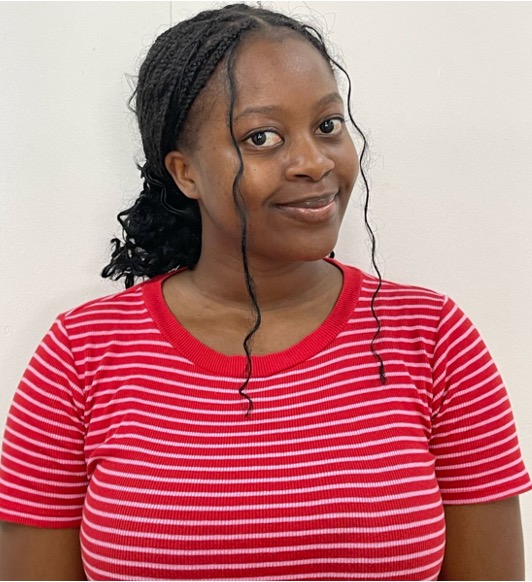
Role: Postharvest Preservation, Agroprocessing & Valorization
Bio: Butshi Kerein is a Biotechnology student at the University of Johannesburg, with a strong passion for genetics, biochemistry, and bioprocessing. She is an intern at the Postharvest & Agroprocessing Research Centre (PARC), hoping to gain hands-on experience in the Agroprocessing and Postharvest Technology division.
Her fascination with science was ignited by attending a conference at the Council for Scientific and Industrial Research (CSIR), where she was exposed to cutting-edge research and innovations. This experience solidified her ambition to pursue a career in biotechnology, particularly in areas that drive sustainability and environmental impact.
As she continues her academic and professional journey, Butshi looks forward to learning from the students and professionals at PARC, gaining new insights into biotechnology, and exploring innovative solutions to pressing environmental challenges at the intersection of science, sustainability, and creativity.

Thematic Area: Postharvest Preservation, Agroprocessing, Valorization & Food Technology.
Bio: Mr. Siphephelo Langa is a third-year Food Technology student at the University of Johannesburg, originally from KwaZulu-Natal, South Africa. He is an aspiring food scientist with a strong passion for food quality, safety, sustainable food processing, and postharvest preservation. As a member of the Postharvest & Agroprocessing Research Centre (PARC), he is committed to expanding his research experience, developing practical laboratory skills, and contributing to innovative research that supports food security and sustainable agroprocessing.
His studies have provided him with a strong foundation in food chemistry, microbiology, biochemistry, food processing, food safety, quality assurance, and food legislation. Through practical laboratory training, he has gained experience in microbiological techniques, chemical analysis, food quality evaluation, experimental reporting, and the operation of laboratory equipment. In addition, he has completed short learning programmes in Good Manufacturing Practices (GMP), Artificial Intelligence, and Financial Literacy, further strengthening his technical and professional competencies.
Siphephelo’s research interests focus on food microbiology, food safety, postharvest preservation, agroprocessing, and quality management systems. He is particularly interested in understanding how processing and preservation technologies can improve food quality, extend shelf life, minimise postharvest losses, and maintain nutritional value. He also has a keen interest in product development and the application of innovative technologies to support sustainable food production.
Through his involvement at PARC, Siphephelo looks forward to contributing to research that develops practical, science-based solutions for improving food preservation, enhancing value addition, and strengthening food security in South Africa and beyond.
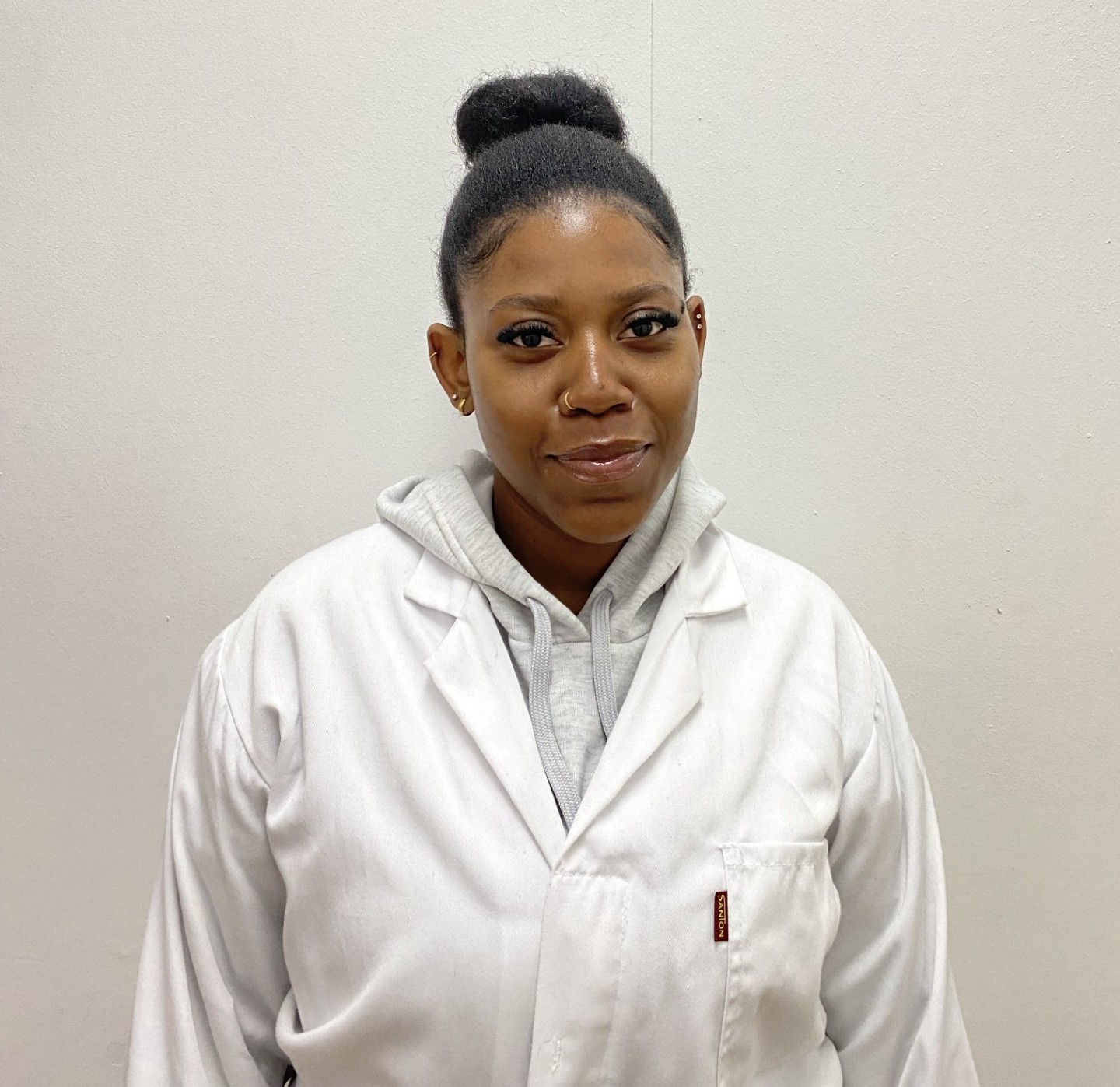
Thematic Area: Postharvest Preservation, Agroprocessing & Valorization
Bio: Sifanele Masinga is a final year Biotechnology student at the University of Johannesburg and is currently completing her Work-Integrated Learning (WIL) at the Postharvest and Agroprocessing Research Centre (PARC). Her academic journey has been strongly shaped by her interest in microbiology and molecular biology, particularly in understanding microorganisms and their impact on human health and food systems. During her studies, she developed a growing curiosity about microbial identification and laboratory diagnostics, which has sparked a deeper passion for her to in future further study microbes not only in food safety applications but also in their potential use in medicine and disease control. She aspires to contribute to research that harnesses microorganisms to improve health outcomes and address complex global health challenges.Through her training at PARC, she hopes to strengthen her research skills, gain deeper insight into applied laboratory work, and further develop her ability to translate scientific knowledge into real-world solutions.

Thematic Area: Preservation, Processing, Marketing
Bio: Dumisani is an aspiring creative entrepreneur and marketing professional from Daveyton, East of Johannesburg, with over five years of experience in digital advertising strategies, business development, and idea implementation. He holds a BSc in Botany and Biochemistry, along with Entrepreneurship qualifications from the University of Johannesburg.
With a deep interest in Botany, Dumisani joined the PARC team to learn from their sustainable development projects. His goal is to contribute innovative ideas, particularly in freeze-dried product implementation, leveraging his unique skill set to blend science with practical, market-driven solutions.
Project Title: Freeze-dried fruits and vegetables products development, implementation and marketing
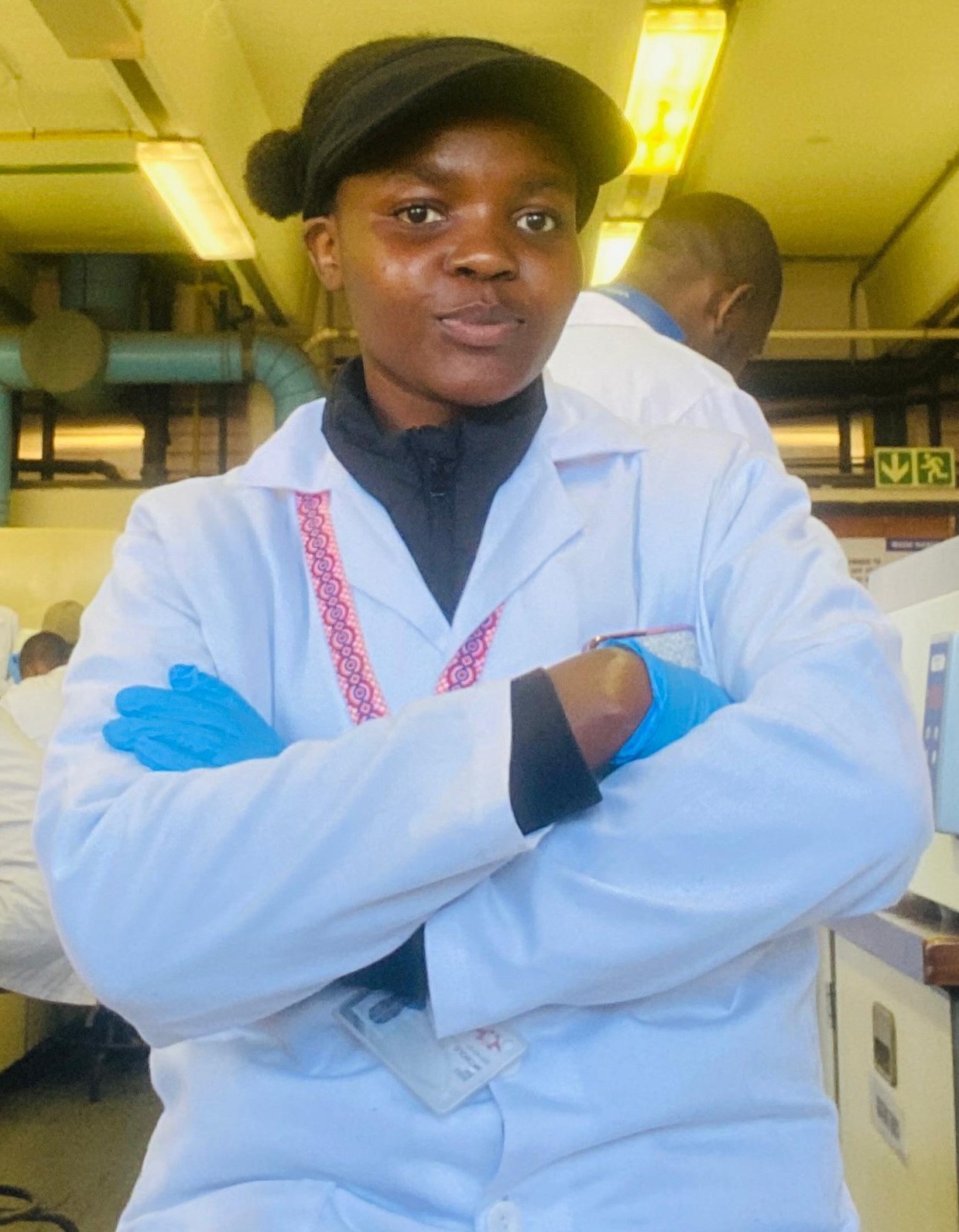
Thematic Area: Postharvest Preservation, Agroprocessing & Valorization
Bio: Priscilla Shudufhadzo Matumba is a final-year biotechnology student with a strong interest in agroprocessing, food preservation, and shelf-life extension. Through her academic training in microbiology, biochemistry, molecular biology, fermentation technology, sanitation, and hygiene, she has developed a solid foundation in applying biological systems to enhance food quality, safety, and stability. Her growing interest in biotechnology has guided her focus toward post-harvest preservation, the development of natural bio-preservatives, optimization of fermentation processes, and the reduction of food spoilage. Priscilla aspires to contribute to sustainable agro-industrial solutions that minimize food waste, strengthen food security, and promote value-added product development through science-driven innovation. Joining PARC has provided her with valuable exposure to real-world research environments, strengthening her theoretical understanding and practical skills. This experience continues to play a significant role in shaping her career path toward impactful, sustainable solutions in food science and agro-processing.

Role: Secretary and Administrator
Bio: Mildred serves as Secretary to Professor Fawole, SARChI Chair and Director of SPAR and PARC, Department of Botany and Plant Biotechnology. A seasoned administrator with over 15 years of extensive experience within the University of Johannesburg, Mildred brings in-depth knowledge and a robust network. Her exceptional organizational skills, dedication, and reliability ensure seamless operations. Notable achievements include successfully managing research events and projects. Mildred’s expertise supports Professor Fawole’s Research Chair. In addition to her administrative role, Mildred provides invaluable support to Professor Fawole and students, fostering a productive and inclusive research environment. Mildred remains integral to Professor Fawole’s team, delivering exceptional support and continuity.
Contact details:
Email: mmuller@uj.ac.za | 011 559 4553

Role: Technical Administrator
Bio: Noluthando Makhathini serves as the Technical Administrator at PARC, where she oversees essential administrative and technical functions to support the Centre’s research and operations. Her role includes coordinating lab resources, managing supplier relationships, and streamlining processes to ensure smooth project workflows. She joined PARC with a background in postharvest research, which is aligned with the Centre’s focus on advancing sustainable food preservation practices. Driven by a commitment to improving food quality and security, Noluthando brings expertise and dedication to her role, contributing to PARC’s mission through effective project support and innovation.
Role: Laboratory Technician
Bio: Lefika Ellen Mosia, originally from Bethlehem, developed a passion for science after visiting the Sasol firm, which sparked her curiosity about the field. She began her academic journey at the University of the Free State, where she earned an Honours degree in chemistry, and later pursued a Master’s degree in Chemistry at Nelson Mandela University, completing it in 2020. Following her studies, Lefika joined the Postharvest and Agroprocessing Research Centre (PARC), dedicating her work to researching and innovating protocols for extending food shelf life. Beyond her professional interests, Lefika enjoys playing netball and teaching the sport to young children.