
At the University of Johannesburg: Postharvest & Agroprocessing Research Centre (PARC), where innovation meets sustainability, Mr. Benjamin B. Morris is charting a new territory.
Ben’s MSc research is at the production phase of the food value chain, and his findings are proving that circular economy, through waste valorisation, is linked to food production.
For the past 18 months, Ben has been immersed in a project that brings PARC’s vision to life: “If we cannot keep it fresh, we must stabilise it via agroprocessing, and the remaining waste must be valorised for the circular economy.”
That’s our call to action. And Ben has answered it.
Working with fruit processing waste, Ben developed and standardized biostimulant extracts rich in growth-promoting compounds.
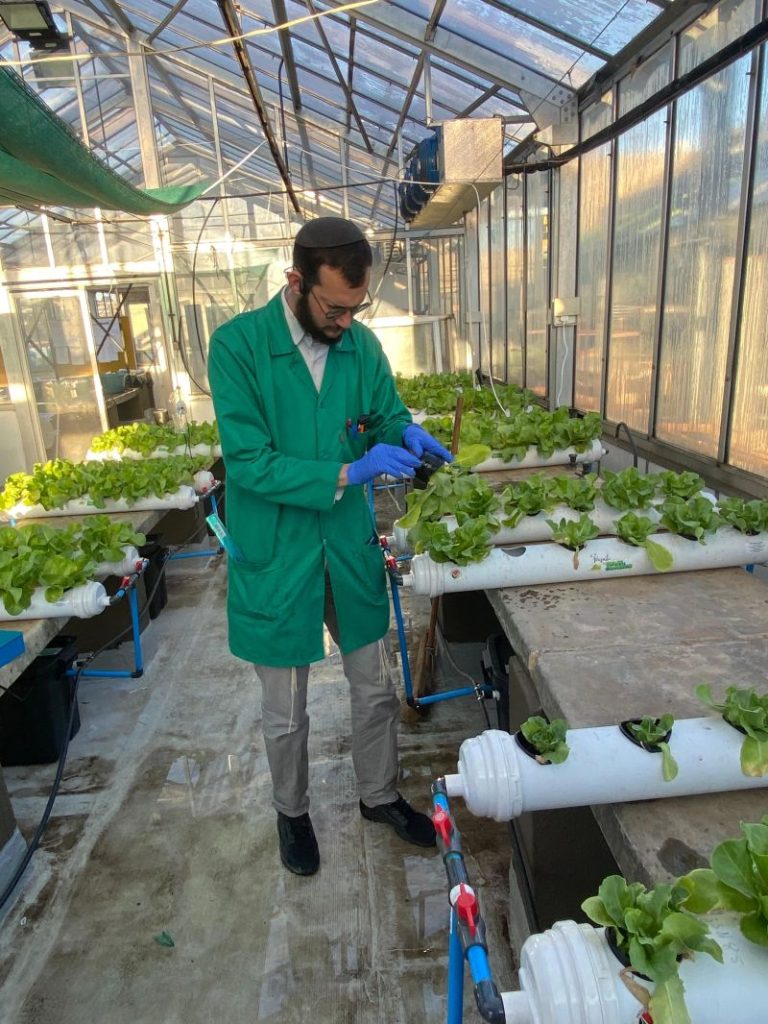
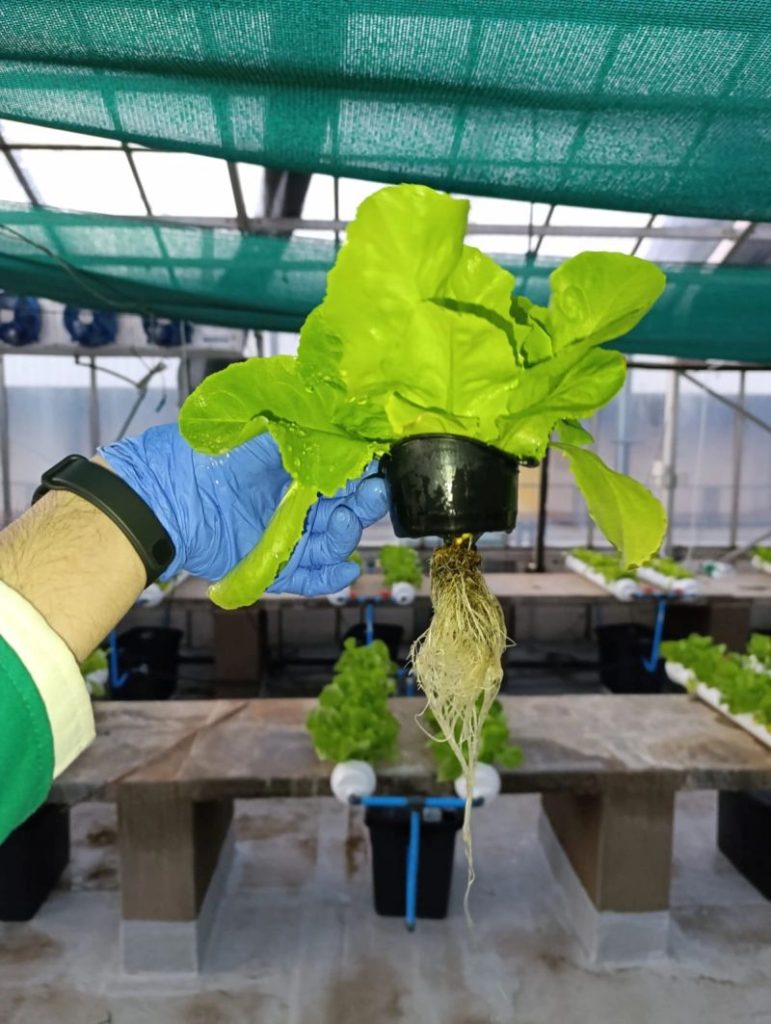
He then applied them to hydroponic lettuce systems under nutrient-deficient conditions, simulating real-world abiotic stress scenarios hydroponic farmers face every day.
The results? Remarkable!
Lettuce treated with Ben’s biostimulant not only matched but outperformed those grown with full-strength commercial nutrients. This breakthrough means that by supplementing reduced nutrient inputs with circular economy-derived biostimulants, growers can cut costs, maintain yield, and improve quality, all while reducing environmental impact.
In his remarks, Prof. Olaniyi Fawole emphasised that Ben’s work goes beyond the boundaries of a typical research project. It serves as a compelling proof-of-concept for the future of sustainable agriculture, one that challenges us to see “waste” not as a burden, but as a valuable resource.
Ben’s contribution is reshaping how we approach food systems, from production to consumption, and reinforces PARC’s position as a driving force for transformation within Africa’s agri-food landscape.
We are incredibly proud of Ben’s journey and look forward to the ripple effects of his innovation across the country.
- Date: 17 July 2025
- Location: University of Johannesburg APK, Department of Botany and Plant Biotechnology