Turning beetroot waste into innovative materials for food safety
What if agricultural waste could help address one of the food industry’s persistent challenges: foodborne pathogens? This question lies at the heart of research presented by Ms. Tshamisane Mkhari, a second-year PhD student at the University of Johannesburg’s Postharvest and Agroprocessing Research Centre (PARC), who secured first place in the PhD category for Best Presenter at the Material Science Innovation and Modelling (MaSIM) Conference.
Held on 9–10 September 2026 at North-West University, South Africa, the conference brought together researchers working across scientific disciplines under the theme “Research Beyond the Lab.” The theme highlighted the importance of moving scientific discoveries beyond academic settings towards solutions with the potential to address real-world and societal challenges.
Ms Mkhari presented her research, titled “Spectroscopic and Antimicrobial Screening of Beetroot Waste-Mediated ZnO, CuO and ZnO/CuO for Potential Application Against Foodborne Pathogens.” Her study explores the synthesis and characterisation of zinc oxide (ZnO), copper oxide (CuO) and combined ZnO/CuO nanomaterials using beetroot waste, alongside investigations into their antimicrobial potential.
By exploring beetroot waste as a resource for nanomaterial synthesis, the research brings together two important areas of scientific inquiry: waste valorisation and the development of materials with potential food-safety applications. It reflects an innovative approach to investigating how underutilised agricultural resources could contribute to the development of functional materials for future applications.
The significance of this work extends beyond the synthesis of nanomaterials. Foodborne pathogens remain an important concern for food safety, making the investigation of new antimicrobial approaches a valuable area of research. Although further evaluation is needed to establish the materials’ suitability for practical use, the study contributes to ongoing efforts to explore innovative technologies that may support safer food systems.
Earning first place in the PhD category is a proud achievement for Ms Mkhari and PARC, recognising both the quality of her research and her ability to communicate complex scientific work to a multidisciplinary audience. The award also highlights the value of postgraduate research that connects materials science, sustainable resource use and food safety.
For PARC, this achievement reflects its commitment to developing emerging researchers and advancing research that responds to contemporary challenges in food preservation, agroprocessing and sustainable food systems.
Congratulations to Ms. Tshamisane Mkhari on this outstanding accomplishment. Her achievement is a testament to the curiosity, dedication and scientific ambition driving the next generation of researchers at PARC.

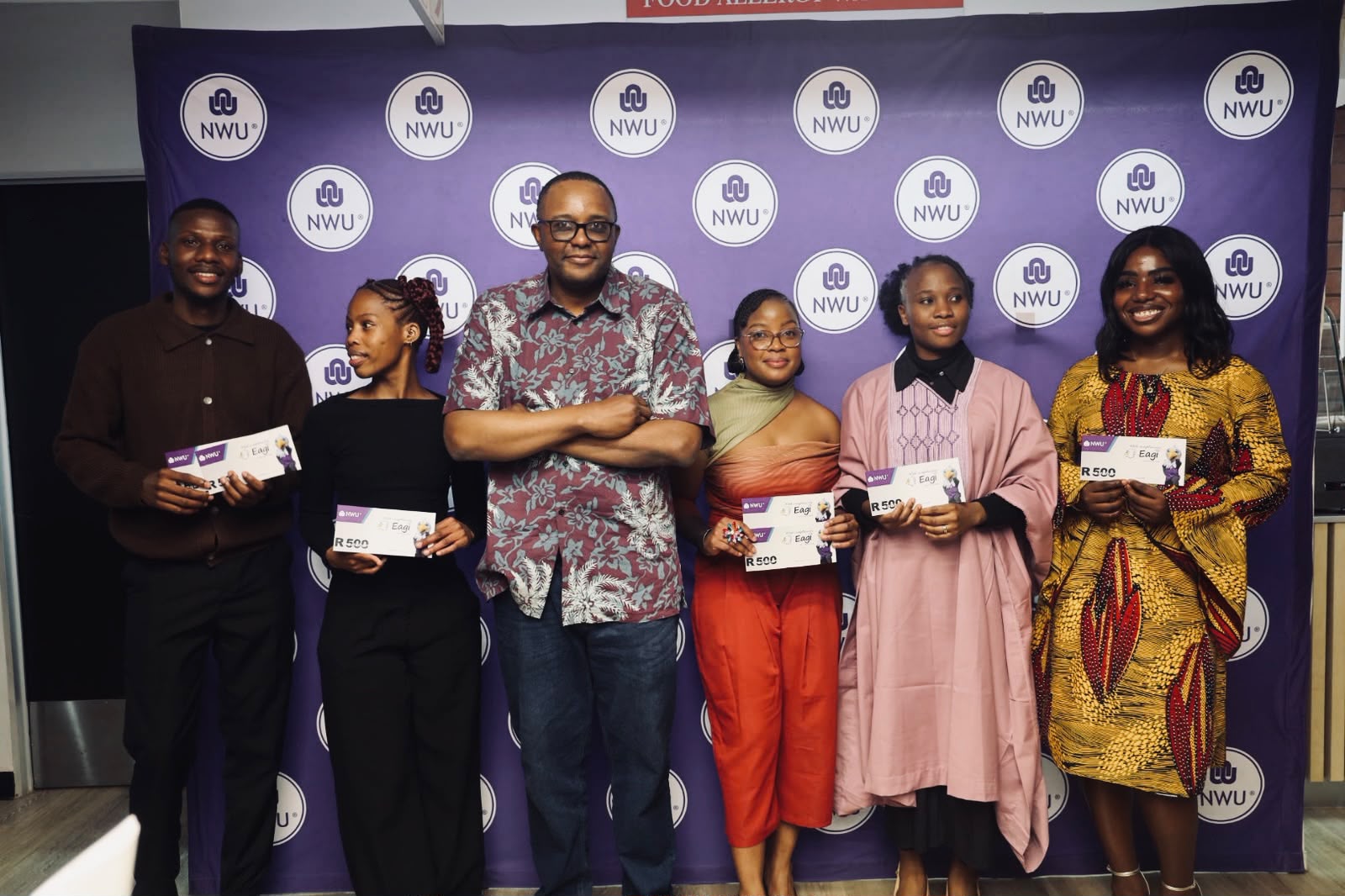
- Date: 9-10 September 2026
- Location: North-West University (NMU)